

Filipinos Lost US$1.9 Billion to Scams in the Past Year, Report Finds
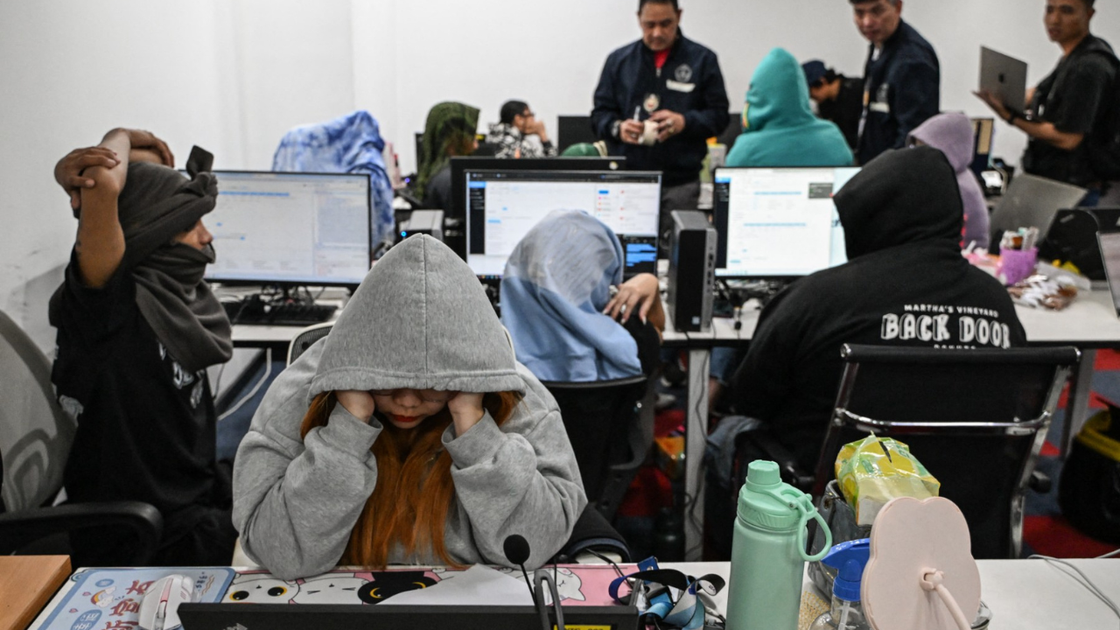
Filipino consumers lost an estimated US$1.9 billion (about 121.8 billion pesos) to scams over the past year, and the number of people running into fraudsters keeps climbing. According to the Global Anti-Scam Alliance (GASA), more than eight in ten Filipino adults came across a scam in that period.
GASA's 2026 State of Scams report, based on a survey of 1,160 Filipino adults, found that 84% had encountered a scam in the previous 12 months, up from 77% a year earlier. That works out to an average of 151 scam encounters per person each year.
Many people also went beyond simply seeing a scam. Some 44% of respondents said they had directly interacted with a scammer in the past year, and 34% of those who engaged lost money. The average loss was 10,427 pesos per victim.
Impact on households
For many victims, the financial damage was severe. About 22% said they could no longer afford basic living expenses after being scammed, and 82% said the experience had harmed their overall well-being.
Where and how scams happen
Shopping scams were the most common type, making up 24% of reported interactions. Investment and employment scams each accounted for 22%.
- Shopping scams: 24%
- Investment scams: 22%
- Employment scams: 22%
The survey found that 88% of scam attempts happened on platforms with direct messaging features. Facebook was the most frequently cited platform for scam encounters, mentioned by 58% of respondents, followed by Gmail at 33%.
Scam networks are spreading
Mel Migrino, the Philippine country head of Gogolook, which worked with GASA on the report, warned that scams threaten the country's economic stability and the integrity of its financial system. He said that as major scam hubs face tougher enforcement, syndicates are breaking up into smaller, widely dispersed operations, including in rural areas. Migrino also pointed to a rise in investment fraud, relationship scams, task-based schemes, third-party scams and identity theft over the past year, all of which put personal and business security at risk.
Warnings fall short
GASA noted that most victims are left to spot fraud on their own, since warnings from banks, telecom providers, anti-scam platforms and government agencies have played only a limited role. Filipinos, the report says, expect online platforms and website operators to take on much of the responsibility for preventing scams, yet those companies are seen as falling short of that expectation.