

Trump Set to Attend ASEAN Summits in Manila
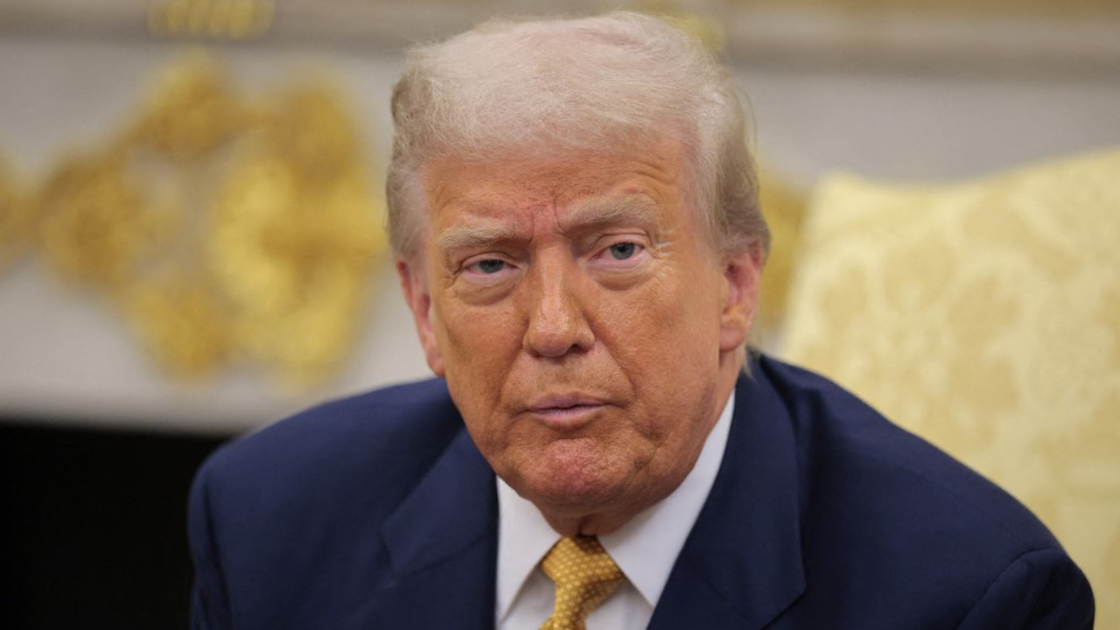
US President Donald Trump plans to attend the 49th ASEAN-related summit in Manila from November 16 to 18, a move meant to show Washington's continued support for the regional bloc. Diplomatic sources familiar with the arrangements say ASEAN is expected to become the world's fourth-largest economy within the next five years.
According to the sources, who asked not to be named, the Philippines, which chairs ASEAN, recently moved the summits from November 11-13 to November 16-18 after lengthy negotiations over Trump's participation. The change was made to fit his schedule. After the Manila meetings, Trump is expected to travel to Shenzhen, China, for the APEC Economic Leaders' Meeting, which runs from November 17 to 18.
A Recurring Challenge
Each year, the ASEAN chair has to work hard to secure the attendance of the US president, one of the most influential leaders in the world, at the bloc's annual summit. Last year, Trump committed early to a visit to Kuala Lumpur, where he was due to witness the signing of the Thailand-Cambodia ceasefire agreement in October. Malaysia's then-chair, Prime Minister Anwar Ibrahim, had assured him that the opportunity would be available.
The ASEAN Economic Community Strategic Plan 2026-2030 projects that the bloc's single market, home to around 700 million people, will become the world's fourth-largest economy.
Past Attendance
During his first term, Trump attended an ASEAN summit only once, when the Philippines hosted the gathering in 2017. He left before it concluded and returned to Washington. He later sent officials below Cabinet rank to represent the United States at other ASEAN summits, including the 2019 meeting hosted by Thailand.
Economic Pressure Behind the Talks
ASEAN members have been working to cushion the impact of oil-price shocks and other economic fallout from the US-Iran conflict. The sources said the crisis has underscored why regional solidarity and cooperation matter as member states confront shared energy-security and economic challenges.